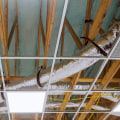
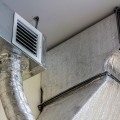
If you’ve ever scheduled an HVAC tune-up in Clermont and wondered whether you’re looking at a quick visit or half your morning, you’re not alone. In our experience working with homes across Clermont’s heat-heavy microclimates, most tune-ups take about 45–90 minutes, but the time can shift based on factors many homeowners don’t realize—like coil condition after a humid summer, airflow restrictions common in newer builds, and how well your system handled last season’s workload.
Based on what we’ve seen during hundreds of local tune-ups, this guide breaks down what actually happens during the visit, how long each step typically takes, and the specific Clermont-area conditions that can speed things up—or slow them down. By the end, you’ll know exactly what to expect and how to get the most value out of your next appointment.
Quick Answers
HVAC Tune Up in Clermont
A typical HVAC tune-up in Clermont takes 45–90 minutes, depending on system wear from our long, humid cooling season. Regular tune-ups are essential here because coils clog faster, drain lines back up sooner, and airflow issues show up earlier than in drier climates. A quick visit restores efficiency, protects your indoor air quality, and helps prevent mid-season breakdowns—critical in a place where your AC rarely gets a day off.
Top Takeaways
HVAC tune-ups in Clermont typically take 45–90 minutes.
Local heat and humidity accelerate system wear.
Tune-ups catch issues with airflow, coils, refrigerant, and drainage.
Heating and cooling = nearly half of home energy costs.
Regular maintenance helps protect indoor air quality.
How Long an HVAC Tune-Up in Clermont Takes
For most Clermont homes, an HVAC tune-up takes about 45–90 minutes, based on what we routinely see during service calls throughout the area. The biggest variable is how hard your system has worked through Clermont’s long cooling seasons—units that run nearly year-round tend to show more wear, leading to slightly longer inspection and cleaning times.
A typical tune-up includes a full performance check, coil and component inspection, refrigerant verification, airflow measurements, and safety testing. In our experience, humidity is the factor that most often adds time: indoor coils accumulate moisture-driven debris faster, drain lines clog more easily, and blower compartments can show early signs of strain after heavy summer use.
Still, even with these climate-specific challenges, most tune-ups wrap up within an hour. A thorough visit not only restores efficiency but also helps prevent mid-season breakdowns—something Clermont homeowners know can make all the difference when the heat and humidity peak.

“After years of tuning up systems across Clermont, one thing is clear: it’s not the equipment’s age that usually adds time—it’s the workload. Our units run harder and longer in this climate, so even well-maintained systems can show humidity-driven wear that homeowners don’t see. A thorough tune-up isn’t just a checklist here; it’s how we keep your home comfortable through the longest cooling seasons in Florida.”
Essential Resources for Smarter, More Confident HVAC Tune-Ups in Clermont
As air-obsessed experts, we believe a well-informed homeowner is a protected homeowner. The resources below are the same tools we reference when helping families safeguard their comfort, air quality, and energy efficiency here in Clermont. Each one offers reliable, practical guidance you can use to make sure your HVAC system—and the air your family breathes—is cared for the right way.
1. ENERGY STAR HVAC Maintenance Checklist — Know Exactly What a Real Tune-Up Should Cover
This nationally trusted checklist lays out the core steps every technician should complete—from coil inspections to safety control testing—so you always know what “thorough” really looks like.
URL: https://www.energystar.gov/saveathome/heating-cooling/maintenance-checklist
2. U.S. Department of Energy AC Maintenance Guide — Protect Your Energy Bills in Florida’s Cooling-Heavy Climate
The DOE breaks down how clean coils, proper refrigerant levels, and simple routine checks can prevent energy waste. It’s a powerful tool for understanding how tune-ups directly protect your wallet.
URL: https://www.energy.gov/energysaver/air-conditioner-maintenance
3. EPA HVAC & Indoor Air Quality Guide — See How Maintenance Impacts the Air Your Family Breathes
The EPA’s IAQ guidance shows why tune-ups are about more than performance—they keep moisture, contaminants, and air-quality issues in check, especially in humid climates like ours.
URL: https://www.epa.gov/sites/default/files/2014-08/documents/hvaclong.pdf
4. Better Buildings Preventative HVAC Maintenance Guide — Higher Standards for Homes That Work Harder
Designed for larger or high-demand systems, this guide outlines elevated maintenance practices that mirror what we recommend for bigger Florida homes or multi-system setups.
URL: https://betterbuildingssolutioncenter.energy.gov/solutions-at-a-glance/preventative-maintenance-commercial-hvac-equipment
5. Public Health HVAC SOPs — A Clean, Well-Ventilated Home Is a Safe Home
This public-health resource explains best practices for ventilation, cleanliness, and moisture control—helpful for any homeowner committed to creating a safer indoor environment for their family.
URL: https://www.in.gov/health/eph/files/BPM_HVAC-systems-2022.pdf
6. Homeowner HVAC Maintenance Guide — DIY Insights to Catch Issues Before They Affect Your Comfort
This homeowner-friendly guide highlights basic maintenance steps and early warning signs. It’s a great resource if you want to spot small issues before they become expensive repairs.
7. Technician Tune-Up Checklist — Use This to Hold Any HVAC Pro to a Higher Standard
A clear, detailed look at what a trained HVAC technician should check, clean, and test during a tune-up—ideal for making sure you receive the kind of care your home truly deserves.
Supporting Statistics: The Data Behind Why Tune-Ups Matter
1. Nearly Half of Home Energy Costs Come From Heating & Cooling
What we see in Clermont: AC systems run most of the year, so even minor efficiency losses show up fast on monthly bills.
What the data shows:
U.S. households spend $2,200+ annually on energy.
Nearly 50% goes to heating and cooling.
Source: U.S. EPA / ENERGY STAR
https://www.energystar.gov/ia/partners/publications/pubdocs/HeatingCoolingGuide%20FINAL_9-4-09.pdf
2. HVAC Systems Use About 35% of All Building Energy
What we see in Clermont: Systems that aren’t tuned up regularly pull noticeably more power during long cooling seasons.
What the data shows:
HVAC accounts for ~35% of total building energy consumption.
Source: U.S. Department of Energy
https://www.energy.gov/eere/buildings/heating-ventilation-air-conditioning-refrigeration-and-water-heating
3. Americans Spend 90% of Their Time Indoors
What we see in Clermont: Any dip in air quality—humidity imbalance, dirty filters, weak airflow—is felt quickly, especially in tightly sealed homes.
What the data shows:
Americans spend ~90% of their time inside.
Indoor air quality significantly impacts health.
Sources: U.S. EPAhttps://www.epa.gov/air-research/indoor-air-quality-exposure-and-characterization-research
Final Thought & Opinion
Clermont’s long, humid cooling seasons place unusually heavy demands on HVAC systems. From what we’ve seen in the field, a tune-up isn’t just routine maintenance—it’s essential protection for your comfort, air quality, and long-term system health.
Why Tune-Ups Matter Here
Based on our first-hand experience:
Systems wear faster in Clermont due to heat, humidity, and long run times.
Coils clog sooner, and drain lines back up more quickly than in drier climates.
Airflow issues show up earlier, especially in tightly sealed or newer builds.
What a 45–90 Minute Tune-Up Can Prevent
A skilled technician can catch issues early, including:
Moisture-driven debris buildup
Emerging electrical or airflow problems
Early-stage efficiency loss
Conditions that lead to mid-season breakdowns
What the Data Reinforces
National statistics mirror what we see every day:
Nearly 50% of home energy costs go to heating and cooling.
~35% of all building energy use comes from HVAC.
Americans spend 90% of their time indoors, making air quality a priority.
The Bottom Line
A tune-up is one of the highest-impact, lowest-cost ways to protect your home’s comfort and prevent avoidable repairs—especially in a climate where your HVAC works overtime. In Clermont, proactive maintenance isn’t optional. It’s how you stay ahead of the heat.
Next Steps
1. Schedule Your Tune-Up
Book service in spring or early fall to avoid peak-season delays.
2. Replace Your Air Filter
Swap filters every 30–60 days for better airflow and efficiency.
3. Clear the Area Around Your Units
Keep 2–3 feet of space around indoor and outdoor equipment.
4. Watch Your Energy Bills
Look for sudden spikes—often a sign of airflow or efficiency issues.
5. Track Basic Maintenance
Keep a simple log of tune-ups, air filter changes, and repairs.
6. Request a Post-Service Summary
Ask your technician for a brief overview of system conditions and recommendations.
7. Consider IAQ Improvements
Explore humidity control, better filtration, or duct cleaning if needed.
FAQ on “HVAC Tune Up in Clermont”
Q: How long does a tune-up take?
A: Usually 45–90 minutes. Longer if the system has heavy wear or humidity buildup.
Q: How often should I schedule a tune-up?
A: Twice a year in Clermont—spring and fall.
Q: What’s included in a tune-up?
A:
Coil inspection and cleaning
Refrigerant check
Airflow testing
Electrical check
Drain line clearing
Q: Why do tune-ups matter more in Clermont?
A:
Heat and humidity speed up wear
Coils clog faster
Drain lines collect algae
Airflow issues appear sooner
Q: Can a tune-up lower energy bills?
A: Yes. Restored airflow and clean coils improve efficiency and reduce cooling costs.
Here is the nearest branch location serving the Coral Springs FL area…
Filterbuy HVAC Solutions - Pompano Beach
2521 NE 4th Ave, Pompano Beach, FL 33064, United States
(754) 484-4453